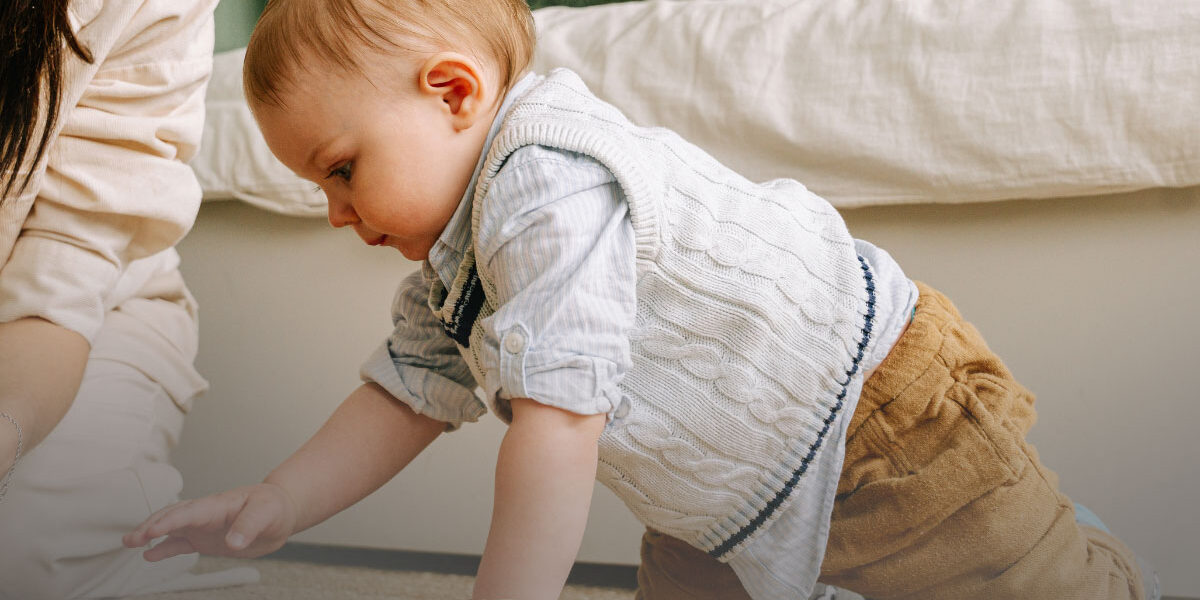
December is not only a festive season—it’s also Safe Toys and Gifts Month, a perfect time for parents and caregivers to take a closer look at the items they place in their children’s hands. While gifting is one of the joys of the holiday season, not all toys are created equal. Some pose hidden hazards, while others may not match a child’s developmental abilities. In the primary care world, we see far too many preventable injuries caused by toys that weren’t designed with safety in mind.
This guide will help parents navigate toy safety, understand toy labeling and safety standards, and choose safe holiday gifts that support healthy development while minimizing risk.
Why Toy Safety Matters
Every year, thousands of children are treated in emergency rooms due to toy-related injuries. Many of these incidents involve choking hazards, sharp edges, toxic materials, or toys that are simply not developmentally appropriate. As parents, knowing the principles of child safety tips and making informed decisions when purchasing toys is essential to preventing accidents.
Safe toys for kids are not just about enjoyment—they’re about ensuring the child’s health, development, and wellbeing.
How to Choose Safe Toys
Choosing the right toy goes beyond picking what’s trendy or colorful. Here are essential guidelines every parent should use when deciding how to choose safe toys:
1. Match the Toy to the Child’s Age
One of the most important tips for buying age-appropriate children’s toys is to consider your child’s current developmental stage. Toys designed for older kids may contain small pieces or require skills that younger children haven’t mastered yet.
Manufacturers are required to include age recommendations. These aren’t suggestions—they’re closely tied to safety.
2. Inspect Construction and Materials
A safe toy should be sturdy and well-made. Avoid toys with:
- Small detachable parts
- Thin plastic that easily cracks
- Exposed batteries
- Loose strings or cords
Seek non-toxic toy options for children, especially those who put items in their mouths.
3. Consider the Child’s Abilities and Behavior
Children with sensory sensitivities, mouthing behaviors, or developmental delays may need additional consideration when selecting safe toys for infants, toddlers, and preschoolers.
4. Evaluate the Educational Value
Parents seek toys that help support learning—and the good news is that many options blend fun with development. The best safe educational toys for kids include puzzles, sorting sets, building blocks, and art supplies designed specifically for young hands.
Understanding Toy Labeling and Safety Standards
A large part of children’s gift safety comes down to reading and understanding labels.
How to Read Toy Safety Labels Correctly
Parents should look for:
- ASTM certification (American Society for Testing and Materials)
- Age recommendations
- Warnings about choking hazards
- Information on materials, especially plastics and paint
- Battery safety warnings
Understanding these instructions helps parents engage in safe shopping for children and avoid toys that may cause harm.
Why Standards Matter
Standards ensure that toys have undergone rigorous testing. Toy labeling and safety standards also protect children from hazardous chemicals, unsafe designs, and poor construction.
A Safe Toy Checklist for Parents
Before purchasing a gift, use this safe toy checklist for parents:
- Is the toy age-appropriate?
- Are there small parts that could become choking hazards?
- Is the toy free of sharp edges?
- Is the paint or material labeled non-toxic?
- Are batteries safely secured with screws?
- Are cords less than 7 inches long to prevent strangulation?
- Does the toy have a sound level that is safe for children’s ears?
- Is the toy durable and unlikely to break?
This checklist supports smart decisions and promotes holiday gifting safety for kids during the busy shopping season.
Safe Toys for Infants, Toddlers, and Preschoolers
Infants, toddlers, and preschoolers are most vulnerable to toy-related injuries due to their developmental stages and natural curiosity. When selecting safe toys for infants, toddlers, and preschoolers, keep the following in mind:
Infants (0–12 months)
Infants explore the world through mouth and touch. Toys must be:
- Too large to swallow
- Made of soft materials
- Free from detachable buttons, beads, or strings
- Made of non-toxic materials
Good options include soft blocks, rattles, textured balls, touch-and-feel books, and cloth toys.
Toddlers (1–3 years)
Toddlers love to climb, throw, bang, and explore. Safe gifts for toddlers should be sturdy and promote sensory and motor growth. Choose:
- Large, chunky building toys
- Push-and-pull toys
- Shape sorters
- Large-piece puzzles
Avoid anything with small parts or cords.
Preschoolers (3–5 years)
At this stage, imagination and fine motor skills expand. Look for:
- Pretend play sets (with no small pieces)
- Art materials labeled nontoxic
- Simple board games
- Sturdy building blocks
These toys encourage creativity and skill-building while supporting toy safety.
Toys to Avoid for Babies and Toddlers
When discussing toys to avoid for babies and toddlers, parents should steer clear of:
- Toys with bean-like stuffing that could be a choking hazard
- Anything with small detachable parts (balls, small wheels, beads)
- Magnets
- Toys with long cords or strings
- Inexpensive painted toys without safety labeling
- Balloons (a leading cause of choking)
- Toys marketed to older children with small pieces
During the holidays, these items often appear in gift baskets or party bags—parents should remove them before children play.
Safe Holiday Gifts for All Ages
Choosing safe holiday gifts doesn’t have to be complicated. Here are thoughtful and safe ideas for different age groups:
For Babies
- Soft cloth books
- Non-toxic teethers
- Plush toys with embroidered eyes instead of plastic ones
For Toddlers
- Chunky puzzles
- Push toys
- Wooden blocks
For Preschoolers
- Dress-up clothes without strings or small jewels
- Art sets labeled “nontoxic”
- Play kitchens and food sets (large pieces only)
For School-Age Children
- Science kits with adult supervision
- Board games
- Building sets with appropriate piece sizes
No matter the age, make children’s gift safety the priority.
Safe Shopping for Children During the Holidays
The holiday shopping rush can overwhelm even the most diligent parents. To support safe shopping for children, keep these tips in mind:
- Shop from reputable brands
- Read the full product description and labels
- Look up product recalls
- Check reviews for mentions of breakage or loose parts
- Avoid knockoff toys that may skip safety testing
During Safe Toys and Gifts Month, primary care offices often provide lists and reminders to assist families with safe choices.
Creating a Safer Home Environment for Toys
Owning safe toys is only part of keeping children safe. Parents should also:
- Regularly inspect toys for damage
- Store older sibling toys separately
- Supervise play, especially with new gifts
- Teach older children to keep small items out of reach from younger siblings
These child safety tips help maintain a safer play environment year-round.
Conclusion: Making This Holiday Season Safe and Joyful
As parents and caregivers, you have the power to ensure that the toys you bring into your home are both fun and safe. By understanding how to choose safe toys, reading labels, staying aware of hazards, and focusing on safe toys for kids, you can make this holiday season both joyful and injury-free.
Remember: Safe Toys and Gifts Month is about more than avoiding harm—it’s about giving children the chance to learn, explore, and grow with confidence.