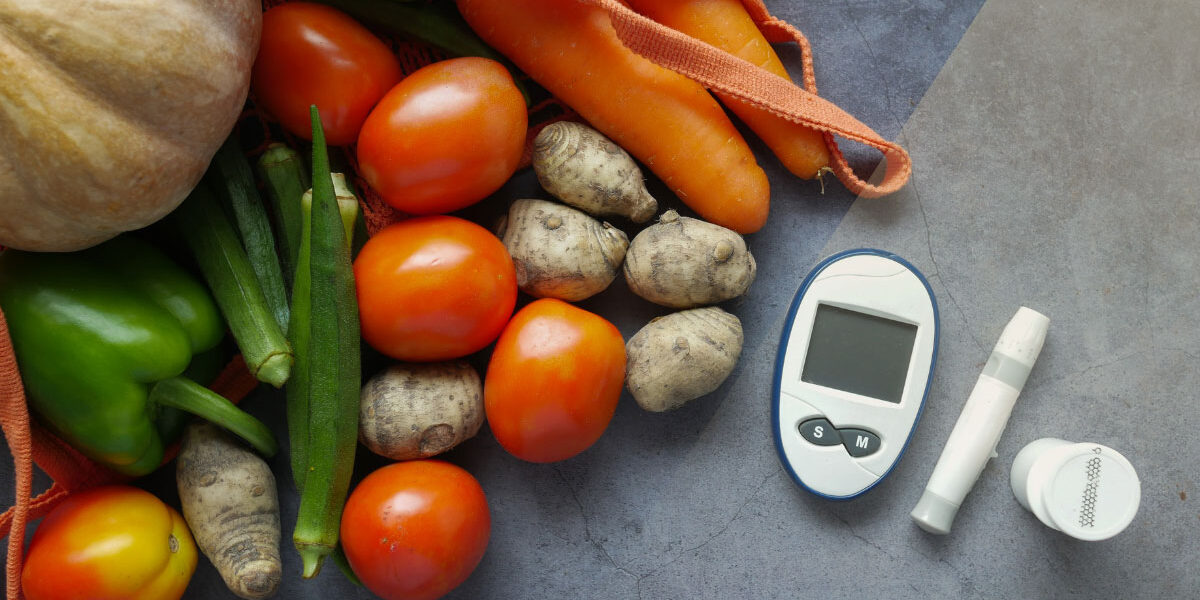
Every November, we recognize Diabetes Awareness Month — a time to learn, reflect, and take action against one of the most common and life-changing health conditions in the world.
Whether you’ve been diagnosed with type 1 diabetes, type 2 diabetes, or are simply concerned about your risk, this is your opportunity to understand how diabetes works, what signs to look out for, and — most importantly — what you can do to prevent or manage it through healthy lifestyle choices.
What Exactly Is Diabetes?
Diabetes is a condition that affects how your body turns food into energy. Normally, when you eat, your body breaks food down into sugar (glucose) and releases it into your bloodstream. Your pancreas then produces insulin, a hormone that helps your cells use that sugar for energy.
If you have diabetes, your body either:
- Doesn’t make insulin (as in type 1 diabetes), or
- Doesn’t use insulin properly (as in type 2 diabetes)
Without enough insulin, too much sugar stays in your bloodstream. Over time, high blood sugar can cause serious problems — heart disease, vision loss, kidney disease, and nerve damage.
The good news? Many people can prevent type 2 diabetes or manage their blood sugar effectively through healthy lifestyle habits.
🔍 Signs and Symptoms of Diabetes
Early detection is key. Knowing the signs of diabetes can help you or someone you love catch it early and get the right help.
Common Diabetes Symptoms
- Feeling very thirsty or needing to urinate often
- Feeling hungry all the time, even after eating
- Extreme fatigue or weakness
- Blurred vision
- Slow-healing cuts or frequent infections
- Tingling or numbness in the hands and feet
- Unexplained weight loss (more common in type 1 diabetes)
If you recognize any of these diabetes symptoms, it’s important to see your healthcare provider to get tested. Catching it early makes a big difference in your long-term health.
How to Test for Diabetes
If your doctor suspects diabetes, they’ll check your blood sugar (glucose) levels. Here are the most common tests and what the diabetic normal values mean:
| Test | Normal | Prediabetes | Diabetes |
| Fasting Blood Sugar | Less than 100 mg/dL | 100–125 mg/dL | 126 mg/dL or higher |
| A1C (3-month average) | Below 5.7% | 5.7–6.4% | 6.5% or higher |
| Oral Glucose Tolerance Test | Below 140 mg/dL | 140–199 mg/dL | 200 mg/dL or higher |
| Random Blood Sugar Test | — | — | 200 mg/dL or higher (with symptoms) |
If your results are higher than normal, your doctor might say you have prediabetes, which means your blood sugar is higher than it should be but not yet in the diabetes range.
This is a warning sign — and a window of opportunity. With the right lifestyle changes, you can often reverse prediabetes and prevent type 2 diabetes entirely.
❤️ What Causes Diabetes?
The causes depend on the type:
- Type 1 diabetes happens when your immune system mistakenly attacks and destroys the cells in your pancreas that make insulin. It usually starts in childhood or early adulthood and is not caused by diet or lifestyle.
- Type 2 diabetes is mostly related to lifestyle and genetics. Over time, your body becomes resistant to insulin or doesn’t make enough of it. Factors that increase your risk include:
- Being overweight or having extra belly fat
- A sedentary lifestyle (not enough physical activity)
- Unhealthy eating habits
- Family history of diabetes
- Older age
- High blood pressure or high cholesterol
- A history of gestational diabetes (diabetes during pregnancy)
Knowing what causes diabetes helps you take steps to protect yourself and your loved ones.
🥗 How to Prevent Diabetes
One of the most empowering facts about diabetes is that type 2 diabetes can often be prevented or delayed through simple, sustainable lifestyle choices.
Here’s how:
1. Eat for Health, Not Just Hunger
A balanced diabetic diet doesn’t have to be complicated or restrictive. Think of it as a way of eating that supports your body rather than deprives it.
Tips for a healthy, diabetes-friendly plate:
- Half your plate: non-starchy vegetables (broccoli, spinach, peppers, cauliflower, carrots)
- One-quarter: lean proteins (chicken, fish, eggs, tofu, beans)
- One-quarter: whole grains or high-fiber carbs (brown rice, quinoa, oats, sweet potatoes)
Limit sugary drinks, desserts, white bread, and processed snacks. Instead, focus on diabetes nutrition food that’s full of fiber, vitamins, and minerals.
Smart snacks for diabetics include:
- A small handful of nuts
- Greek yogurt with berries
- Sliced apple with peanut butter
- Carrot sticks with hummus
- Whole-grain crackers with cheese or avocado
These foods help keep your blood diabetic levels steady throughout the day.
2. Move Your Body
You don’t need to run marathons! Start with what feels doable.
Aim for at least 30 minutes of moderate activity (like brisk walking, cycling, or swimming) most days of the week. Add some strength training twice a week — it helps your body use insulin more efficiently.
If you’re sitting for long periods, stand up and move for a few minutes every hour. Even small bursts of activity can lower your diabetes level of sugar and improve energy.
3. Maintain a Healthy Weight
Losing even 5–7% of your body weight (for example, 10–15 pounds for someone who weighs 200 pounds) can dramatically lower your risk of developing diabetes.
Focus on gradual, steady progress — not crash diets. The goal is sustainable habits you can stick with for life.
4. Sleep, Stress, and Self-Care
Poor sleep and chronic stress can raise blood sugar levels. Try:
- Getting 7–8 hours of sleep per night
- Managing stress through meditation, journaling, prayer, or breathing exercises
- Spending time outdoors or doing activities that bring you joy
A calm body manages insulin better than a stressed one!
5. Stay on Top of Checkups
Even if you feel fine, get your blood sugar tested regularly, especially if you have risk factors like family history or weight gain. Early detection = easier management.
Ask your doctor about your diabetes risk and whether you should have tests such as fasting blood sugar or an A1C test.
🍎 Living Well With Diabetes: Control Through Lifestyle
If you’ve already been diagnosed with diabetes, you might wonder: Can I really control this with lifestyle changes?
Yes — and it makes a tremendous difference.
💪 The Power of Lifestyle Control
Even if you take diabetes medications or insulin, daily habits are the foundation of good control. When you eat balanced meals, stay active, and maintain a healthy weight, you help your body use insulin more effectively.
That means:
- Lower blood diabetic levels
- Fewer spikes and crashes in your diabetes level of sugar
- Better energy and focus
- Fewer long-term complications
🥗 Follow a Simple Diabetic Meal Plan
Here’s an example of a balanced daily plan:
- Breakfast: Oatmeal topped with nuts and fresh fruit
- Snack: Greek yogurt or a handful of almonds
- Lunch: Grilled chicken salad with olive oil dressing and whole-grain toast
- Snack: Carrot sticks or apple slices with peanut butter
- Dinner: Baked salmon, quinoa, and steamed broccoli
You don’t need to cut out all carbs — just choose smarter ones. High-fiber foods keep you full and prevent sudden sugar spikes.
🏃 Stay Active Every Day
Exercise is one of the most powerful “natural medicines” for diabetes. It:
- Lowers blood sugar immediately after activity
- Helps your body use insulin better
- Reduces stress
- Boosts heart health
Try walking after meals — even 10 minutes can make a difference in your glucose levels.
💧 Monitor and Learn
Check your blood sugar regularly if your doctor recommends it. Understanding your blood diabetic levels helps you see how food, activity, stress, and sleep affect you.
Keep a log or use an app to track your readings. Seeing progress — even small changes — keeps you motivated.
🔮 What’s the Outlook? (Prognosis)
Diabetes is a lifelong condition, but with early diagnosis and consistent care, you can live a long, healthy, active life.
People who manage their blood sugar well and maintain a healthy lifestyle can delay or even prevent complications such as heart disease, kidney problems, and nerve damage.
Remember: Your daily choices make a difference.
💬 Final Thoughts: Awareness Is Power
Diabetes Awareness Month isn’t just about raising awareness — it’s about empowering you to take charge of your health.
Here are your take-home messages:
✅ Learn the signs of diabetes and get tested if you notice symptoms
✅ Follow a balanced diabetic diet and meal plan
✅ Choose smart snacks for diabetics to avoid blood sugar spikes
✅ Stay active, even in small ways every day
✅ Keep regular check-ups and track your diabetes level of sugar
✅ Remember, lifestyle changes are the strongest form of treatment and prevention
Whether you’re trying to prevent diabetes or manage it better, you’re not alone — and you have the power to make meaningful changes starting today.