Every October, we recognize Breast Cancer Awareness Month, a time to honor survivors, support those currently battling the disease, and educate ourselves on prevention, early detection, and treatment. But breast cancer isn’t something to think about once a year—it’s a health issue that affects 1 in 8 women in the U.S. over the course of their lifetime.
As a primary care provider, I see firsthand how confusion, fear, and misinformation can cloud this important topic. That’s why I want to share not only breast cancer facts, but also practical steps to help you understand your risk, recognize early symptoms, and seek care with confidence.
Breast Cancer Statistics: What You Need to Know
Let’s begin with the numbers. Understanding the scope of the issue helps us grasp why awareness and early action matter so much.
Key Breast Cancer Statistics:
- What percentage of women get breast cancer?
About 13% of women (1 in 8) will develop invasive breast cancer in their lifetime.
- Breast cancer is the most common cancer among American women, excluding skin cancers.
- In 2025, the American Cancer Society estimates over 300,000 new cases of invasive breast cancer will be diagnosed in women in the U.S.
- Men can get breast cancer, too—though it’s rare, accounting for less than 1% of all cases.
These statistics are not meant to alarm you—they’re meant to empower you to take control of your breast health with knowledge and action.
How Does Breast Cancer Start?
Many patients ask, “How does breast cancer start?”
Breast cancer occurs when abnormal cells in the breast begin to grow uncontrollably. These cells can form tumors, and in some cases, spread to other parts of the body (metastasis).
Most breast cancers begin in the ducts (ductal carcinoma) or lobules (lobular carcinoma) of the breast. Over time, these cells may invade surrounding tissues if not detected and treated early.
Risk Factors for Breast Cancer
While anyone can get breast cancer, certain factors may increase your risk. Some are unavoidable, while others can be modified.
Non-Modifiable Risk Factors:
- Age: Most breast cancers are diagnosed after age 50.
- Family history: A family history of breast cancer (especially in a first-degree relative) raises your risk.
- Genetics: BRCA1 and BRCA2 mutations significantly increase breast and ovarian cancer risk.
- Personal history of cancer: Previous breast cancer or radiation to the chest.
- Reproductive history: Early menstruation (before age 12) or late menopause (after age 55).
Modifiable Risk Factors:
- Lack of physical activity
- Being overweight or obese
- Alcohol use
- Long-term use of hormone replacement therapy (HRT)
- Smoking
Knowing your breast cancer risk factors can help you make informed choices to lower your chances of developing the disease.
Breast Cancer Risk Assessment
As a primary care provider, one of the most proactive steps I recommend is a breast cancer risk assessment. This includes:
- Personal and family medical history
- Genetic testing if appropriate
- Hormonal and reproductive factors
- Lifestyle habits
If your risk is higher than average, we can discuss earlier or more frequent screening, lifestyle changes, or referrals to specialists.
Signs and Symptoms of Breast Cancer
One of the most common questions patients ask is: “Do I have breast cancer?”
Here are some of the early signs of breast cancer to watch for:
- A new lump in the breast or underarm
- Swelling of all or part of the breast
- Skin dimpling (like orange peel texture)
- Breast or nipple pain
- Nipple retraction (turning inward)
- Redness, scaliness, or thickening of the nipple or breast skin
- Nipple discharge (not breast milk)
It’s important to know that not all lumps are cancer, but any change should be evaluated.
How Can We Diagnose Breast Cancer?
Common tools for diagnosis of breast cancer include:
- Clinical breast exam
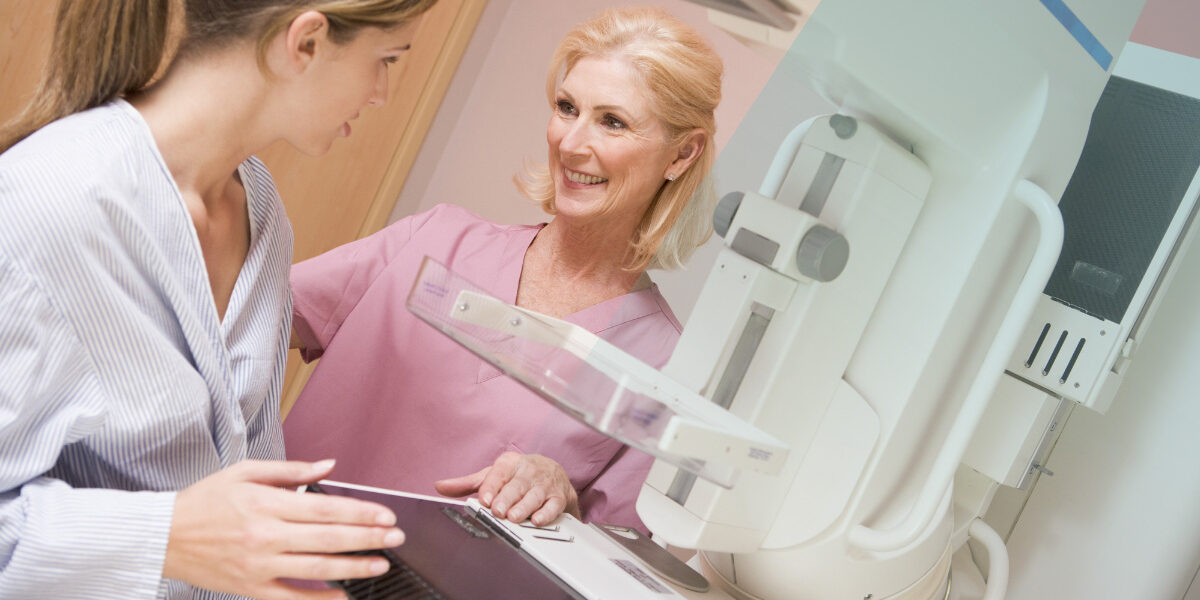
- Mammogram (x-ray of the breast)
- Ultrasound or MRI, especially in dense breast tissue
- Biopsy, where a small sample is taken and tested
If you’ve ever wondered, “How can I know for sure?”, the answer lies in a combination of imaging and tissue testing. Talk to your provider about screening guidelines based on your age and risk.
Breast Cancer Age and Screening Guidelines
When should I start screening?
- Average-risk women should begin mammograms at age 40, though some guidelines recommend starting at 50.
- High-risk women (due to family history or genetics) may need to start screening as early as 30.
Always ask your provider for personalized breast cancer screening recommendations based on your breast cancer age risk and health history.
Breast Cancer Treatment Guidelines
If breast cancer is diagnosed, treatment depends on the stage, type, and individual factors. According to breast cancer treatment guidelines, options may include:
1. Surgery
- Lumpectomy (removal of tumor only)
- Mastectomy (removal of the breast)
2. Radiation Therapy
- Often follows surgery to kill any remaining cancer cells
3. Chemotherapy
- Used before or after surgery, depending on stage and spread
4. Hormone Therapy
- For hormone-receptor-positive cancers
5. Targeted Therapy and Immunotherapy
Based on genetic markers or specific tumor traits
Early breast cancer treatment tends to be more successful, which is why timely diagnosis is so critical.
How to Prevent Breast Cancer: Steps You Can Take
While not all cases are preventable, there are many ways to decrease your risk of breast cancer and improve your overall health.
Top Evidence-Based Ways to Prevent or Reduce Risk:
1. Maintain a healthy weight
2. Exercise regularly (150 minutes of moderate activity per week)
3. Limit alcohol (no more than one drink per day for women)
4. Avoid smoking
5. Breastfeed if possible
6. Know your family history
7. Get regular screenings and talk to your doctor
8. Consider genetic testing if you have a strong family history
You may be asking:
- “How can I avoid breast cancer?”
- “What are the best ways to avoid cancer in general?”
- “How to lower cancer risk?”
The answer lies in awareness, action, and partnership with your healthcare provider.
Breast Cancer Support and Resources
A breast cancer diagnosis can be overwhelming. Whether you’re newly diagnosed, in treatment, or a survivor, breast cancer support makes a huge difference in emotional and physical outcomes.
Recommended Support Resources:
- Susan G. Komen Foundation
- BreastCancer.org
- American Cancer Society
- Living Beyond Breast Cancer
- Local hospital-based support groups or counseling
- Online communities and forums
Support includes everything from financial assistance to peer mentoring to emotional health resources. Never underestimate the power of community in healing.
Final Thoughts: Your Primary Care Provider Is Your Partner in Prevention
Whether it’s time for your first mammogram, or you’re wondering about your genetic risk, your primary care provider is your first line of defense.
We’re here not just to treat illness, but to help you stay well.
Take Action This Breast Cancer Awareness Month
This Breast Cancer Awareness Month, take one step toward better breast health. Whether that’s scheduling a mammogram, doing a self-exam, or sharing this blog with someone you love—it all matters.
Your health is worth it. You are worth it.